Umbra Composit

Umbra Composit

Taking the world's best 3D rendering engine from AAA gaming into architecture, engineering, and construction — and designing the product experience to make it real.

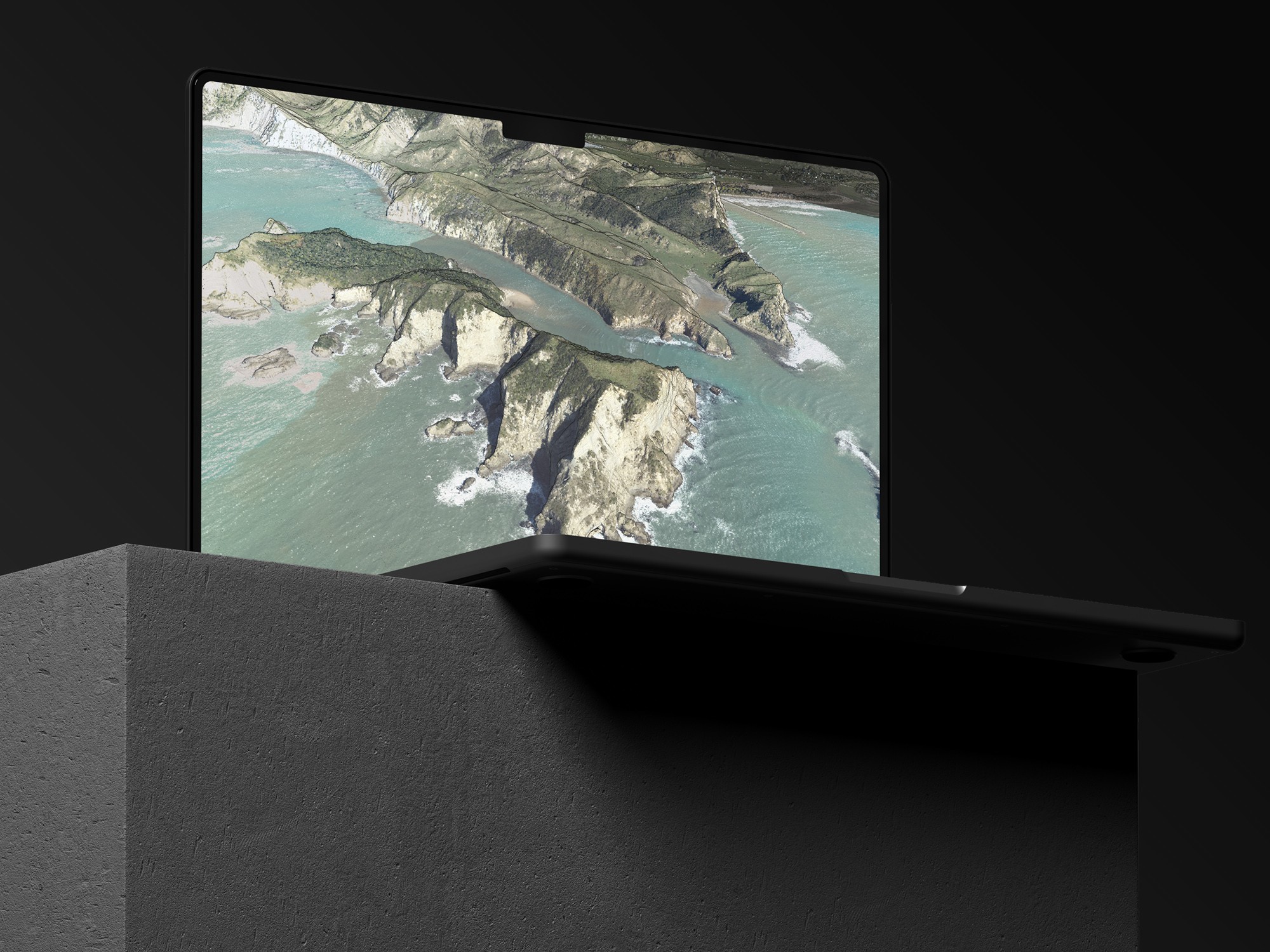
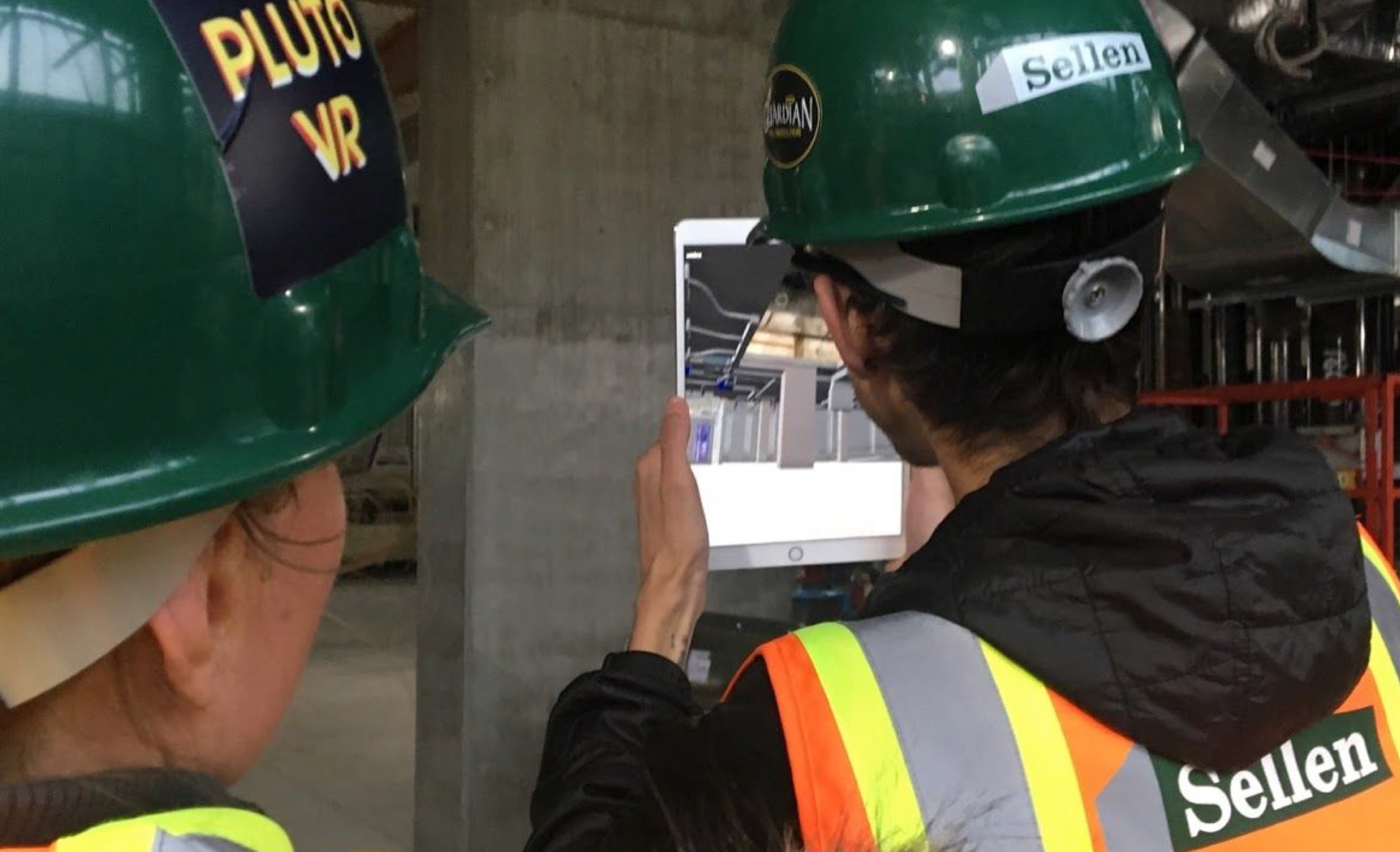
Umbra is a Finnish 3D software company behind one of the most advanced rendering engines in the world — the same technology that powers game titles like Destiny and Call of Duty. For years, their clients were game studios. Then they asked a different question: what happens when you bring gaming-grade 3D into architecture, engineering, and construction? We worked with Umbra from early 2017 to turn that question into a full product suite. Our work covered every touchpoint: the business model, a HoloLens interface, a cross-platform mobile viewer, and a web platform for managing 3D content in the cloud. The result was Umbra Composit — a product that lets architects and engineers inspect the most complex 3D models in real time, from any device, with a single click. Webby-nominated in 2018, adopted by some of the world's largest AEC firms, and ultimately acquired by Amazon.

Year

2018

Industry

Industrial Data

Scope of work

/

UX & Product Design

Timeline

2017-2018

Taking the world's best 3D rendering engine from AAA gaming into architecture, engineering, and construction — and designing the product experience to make it real.

Umbra is a Finnish 3D software company behind one of the most advanced rendering engines in the world — the same technology that powers game titles like Destiny and Call of Duty. For years, their clients were game studios. Then they asked a different question: what happens when you bring gaming-grade 3D into architecture, engineering, and construction? We worked with Umbra from early 2017 to turn that question into a full product suite. Our work covered every touchpoint: the business model, a HoloLens interface, a cross-platform mobile viewer, and a web platform for managing 3D content in the cloud. The result was Umbra Composit — a product that lets architects and engineers inspect the most complex 3D models in real time, from any device, with a single click. Webby-nominated in 2018, adopted by some of the world's largest AEC firms, and ultimately acquired by Amazon.

Year

2018

Industry

Industrial Data

Scope of work

/

UX & Product Design

Timeline

2017-2018

Designing for a medium that didn't exist yet

Designing for a medium that didn't exist yet

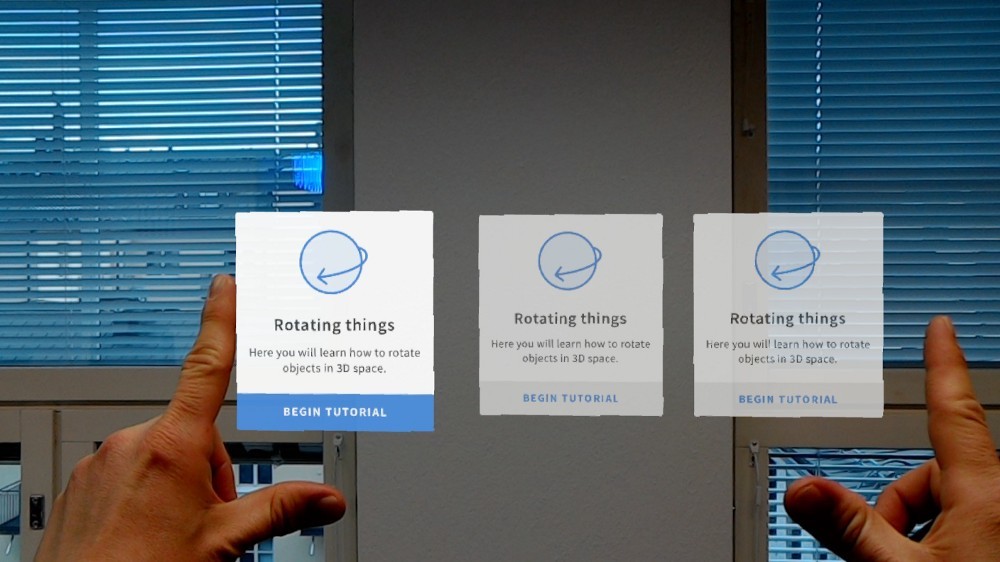
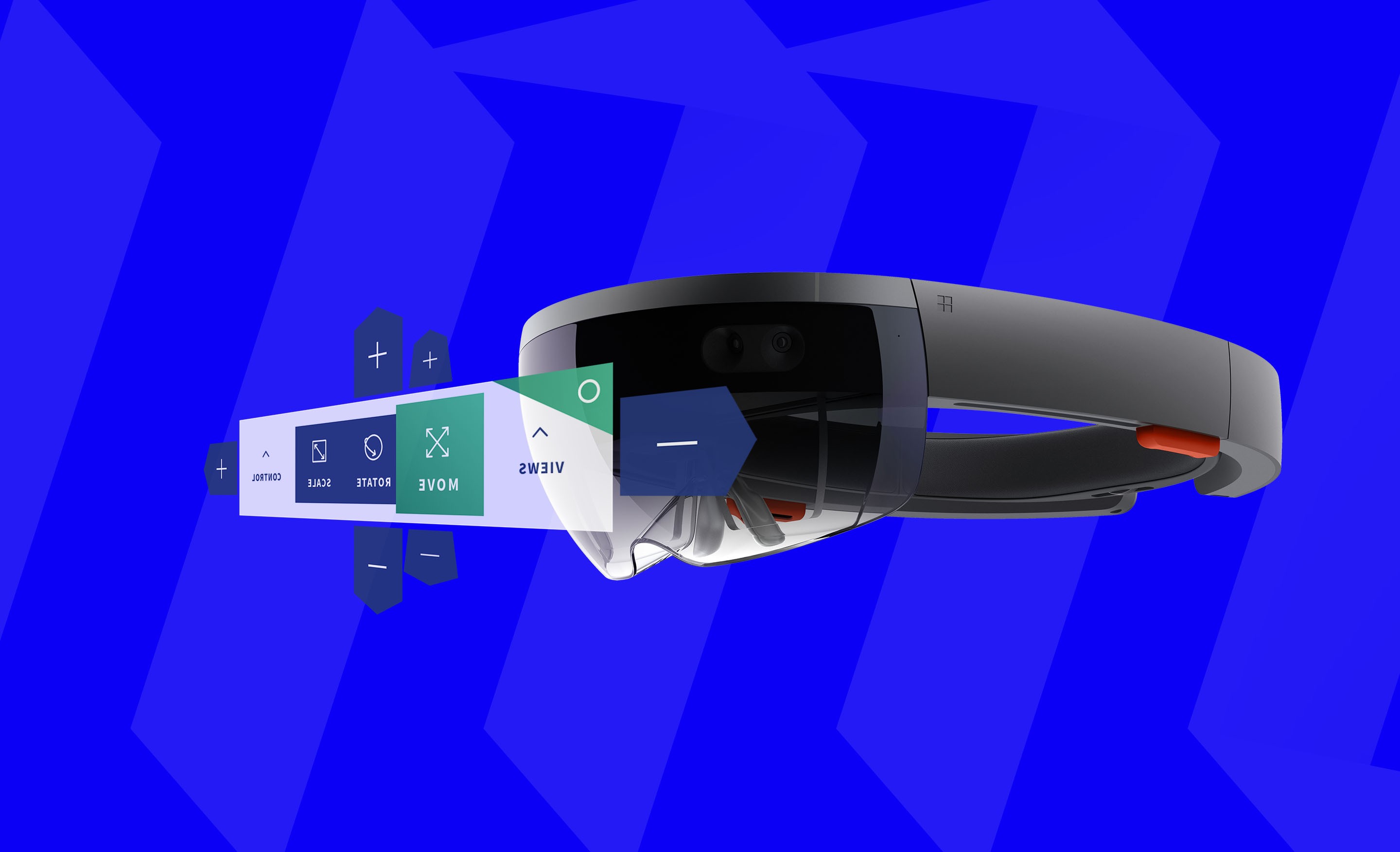
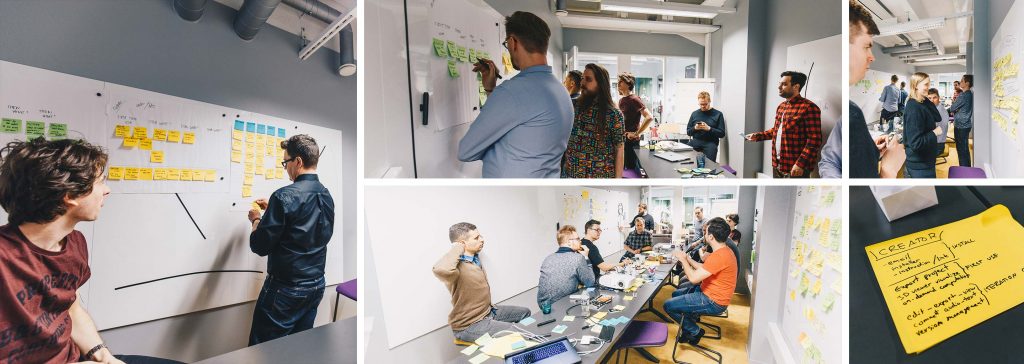
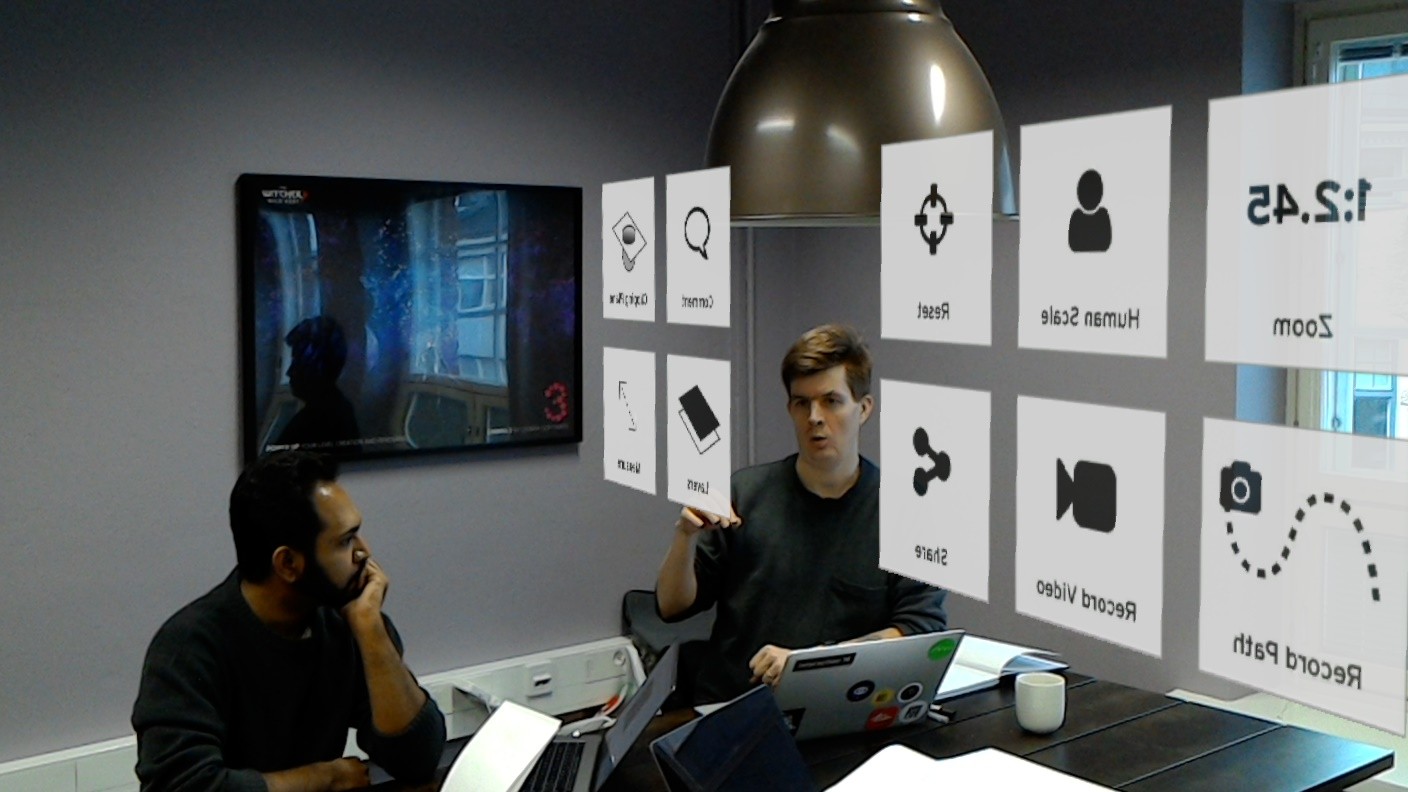
Designing for Microsoft HoloLens meant starting from scratch. There were no established conventions for holographic interfaces no pixel grids, no standard interaction patterns, no prior art to reference. We found ourselves learning Unity 3D, measuring layouts in metres instead of pixels, and testing ideas directly in physical space with the Umbra engineering team. Four principles guided the work. The UI follows the user with a slight delay always nearby, never blocking the content. It fades out unless needed, so the model stays front and centre. Every action can be performed two ways a direct drag in real space or a shortcut tap because architects and engineers need both depending on distance and precision. And the interface hides automatically based on hand position, protecting the limited field of view of current headsets. Each principle came from observation, testing, and iteration not from a pattern library. Login by QR code, menu items summoned mid-air, typography tested at arm's length in a real room. This was design at the beginning of a new computing era.

"Fulcro Group has been able to export directly from Revit to the HoloLens with a single click, completely bypassing any complex conversion processes — enabling our designers to get from CAD to HoloLens in the time it takes to make a cup of tea." — Dr Maxwell Mallia-Parfitt, Fulcro Group
From headset to platform

From headset to platform

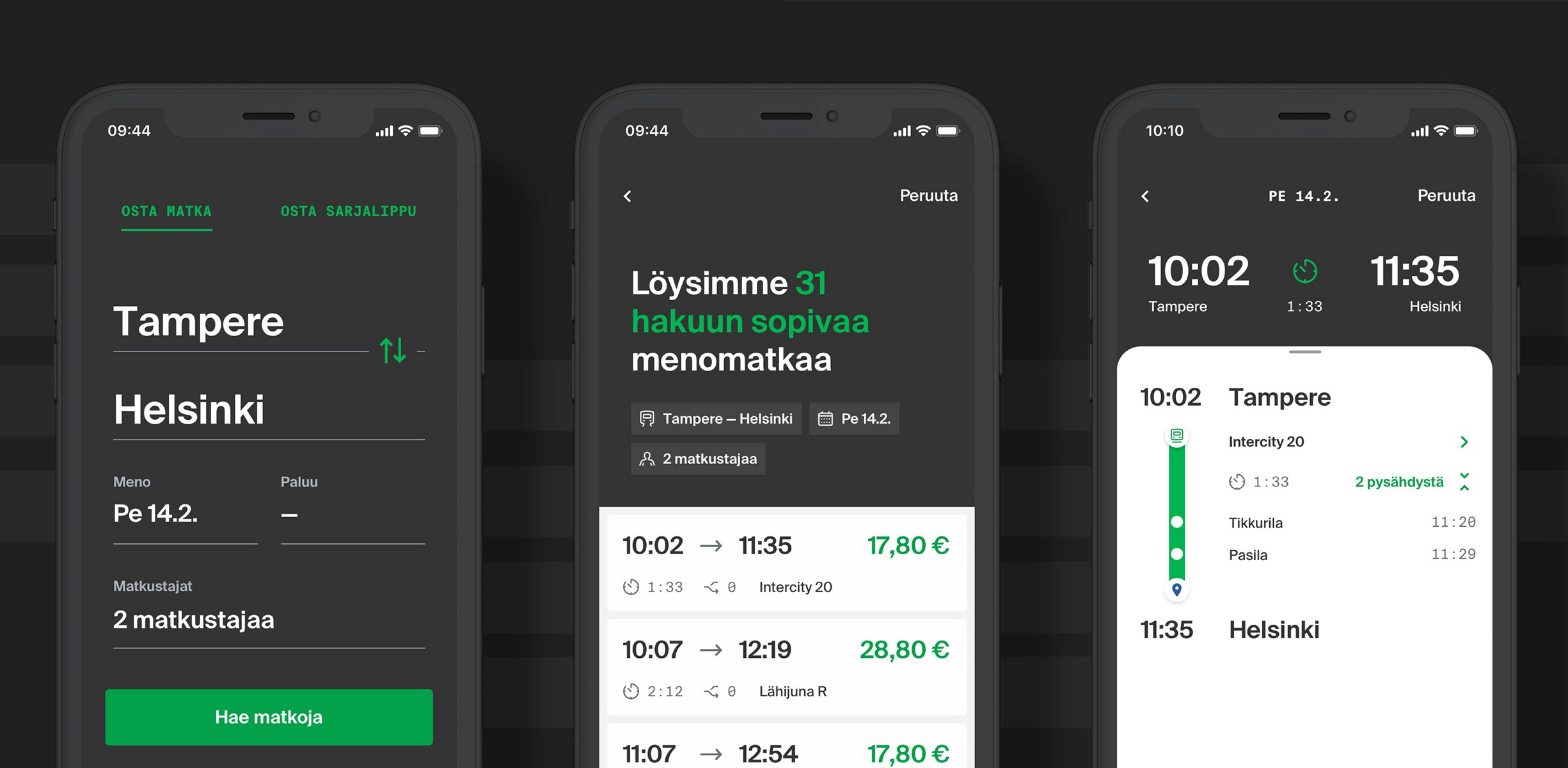
The HoloLens was only the beginning. We designed Umbra Pryzm a platform-agnostic mobile viewer that brings the same real-time 3D to any iOS or Android device using ARKit and ARCore. We designed Umbra.io, the cloud platform where users upload models, manage licences, and share content with teams across the world. And we created Corona DLS Umbra's design language system the first of its kind to span from smartphone screen all the way to immersive mixed reality headset. The core promise running through all of it was the same: a construction team that previously spent days preparing a static visualisation or weeks processing a model on an office network could now get a fully interactive, game-quality 3D view in minutes. The savings in cost and time were not incremental. For large firms working with complex models, we are talking tens of thousands of euros per project and days removed from review cycles.

"Our offline model processing time has come down from weeks on our office network to hours in the cloud with Umbra." — Doug Bester, Managing Director, Sentient Computing

Nordkapp

Nordkapp

Nordkapp

(2016-25©)

Nordkapp

Have a project in mind?

By submitting, you agree to our Terms and Privacy Policy.

© 2026 Nordkapp

Let’s talk.

Have a project in mind, need expert insights, or simply want to explore how we can help you? Get in touch with us today.

Nordkapp

Have a project in mind?

By submitting, you agree to our Terms and Privacy Policy.

Let’s talk.

Have a project in mind, need expert insights, or simply want to explore how we can help you? Get in touch with us today.

Nordkapp

Have a project in mind?

By submitting, you agree to our Terms and Privacy Policy.

© 2026 Nordkapp

Let’s talk.

Have a project in mind, need expert insights, or simply want to explore how we can help you? Get in touch with us today.