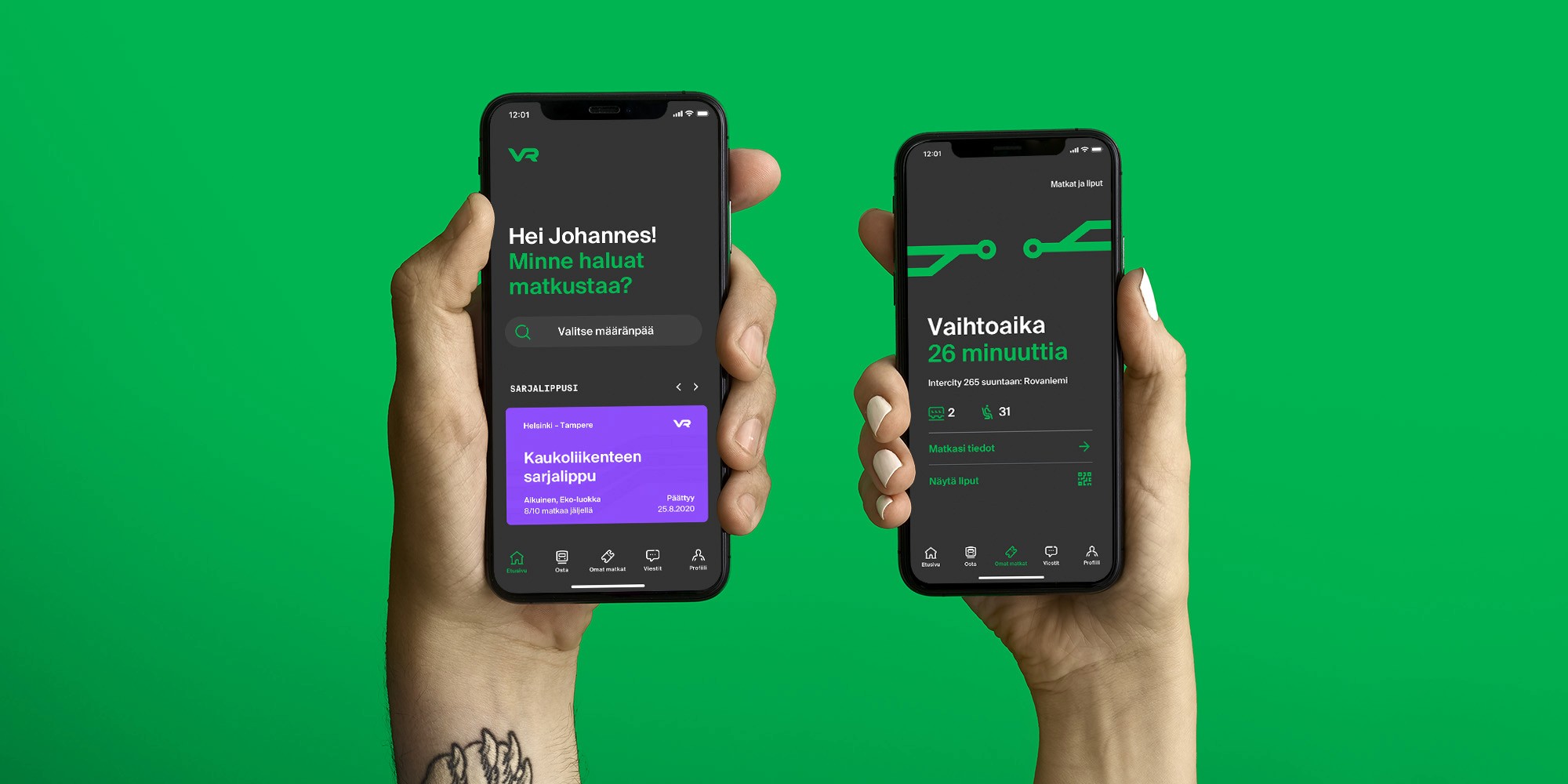
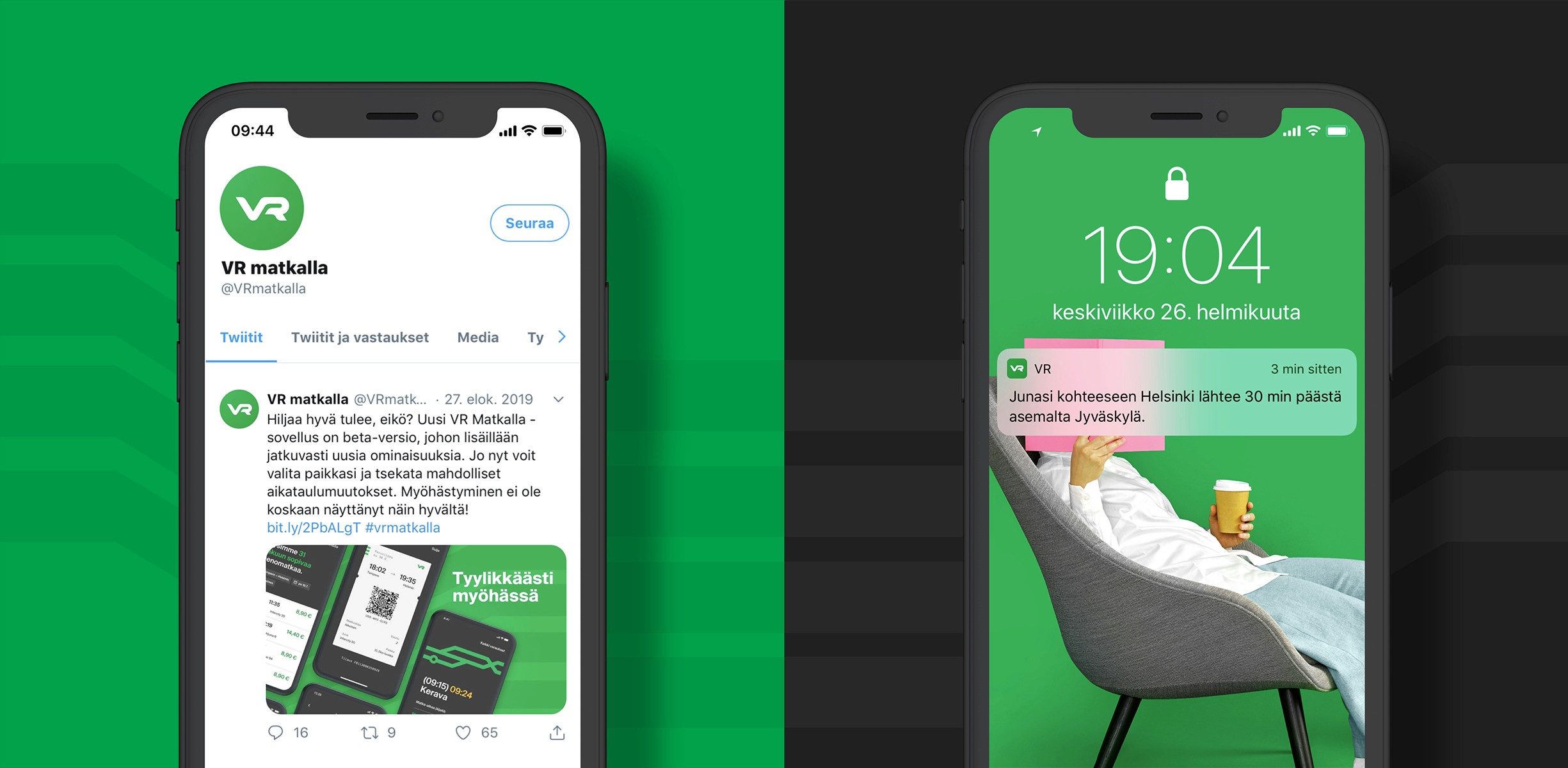
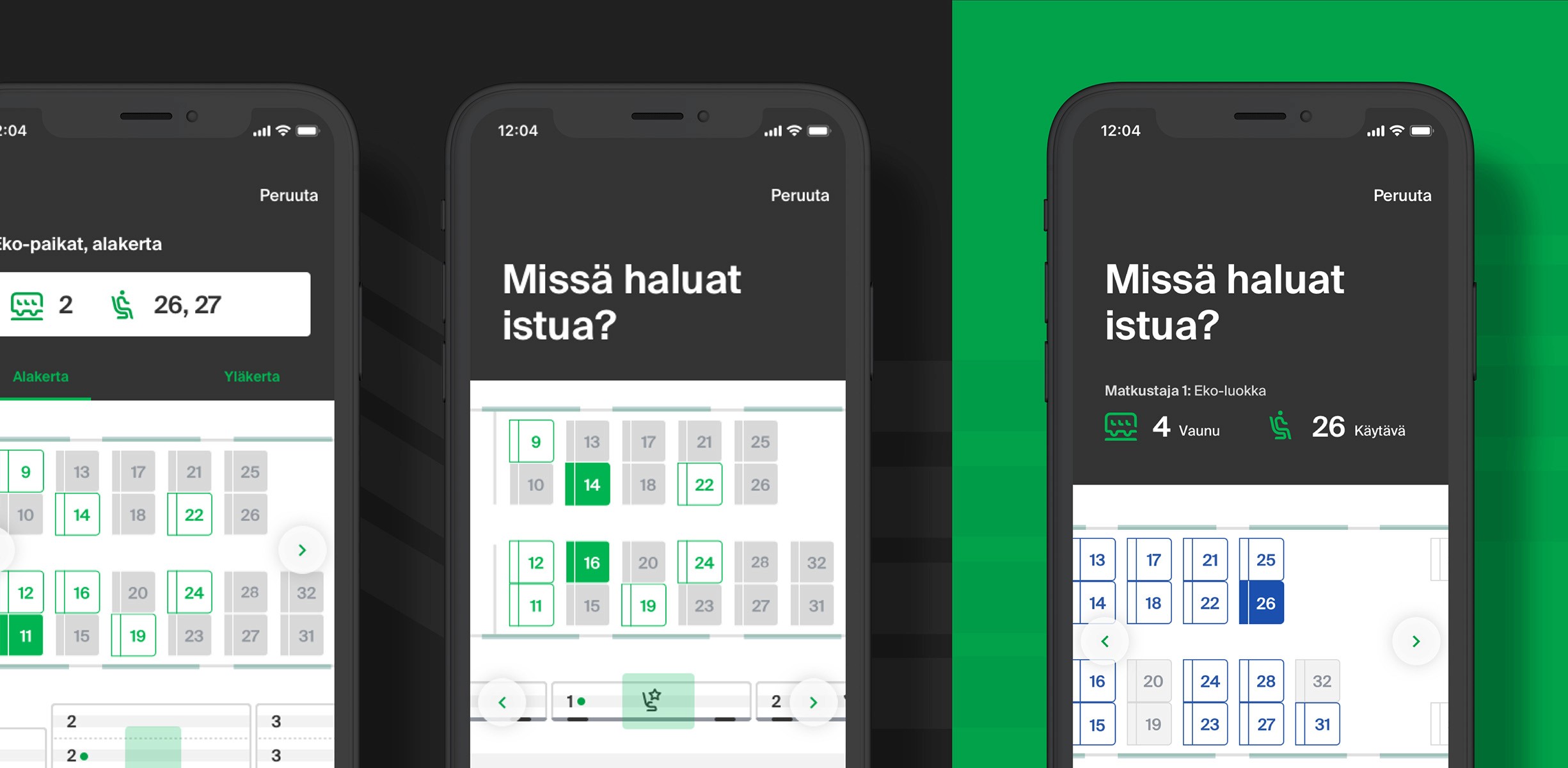
VR's passengers are everyone: families with prams, commuters, travellers with disabilities, kids travelling alone, people with bikes. Designing for that range means you can't work from assumptions. You have to test — in the actual environment, with the actual people. We took every new feature prototype onto trains. Passengers interacted with them and gave feedback on the spot. We listened, adjusted, and tested again. Seat selection alone went through seven prototyping rounds before we landed on an interaction pattern that worked — accounting for colour contrast, group booking, and the reality of choosing a seat while standing on a platform. The purchase flow was tested over 100 times with customers. That's not a number chosen for effect — it reflects what it actually takes to get a high-stakes interaction right when customers might be using it while catching a train. We also recruited a pilot group of 300 customers to test new features in beta before each release, so that what we knew had been prototyped as a design would also work when it became an app.
"Perfect! All the problems from previous versions have been fixed and everything just works as it should. Thanks!" — Google Play review, post-launch
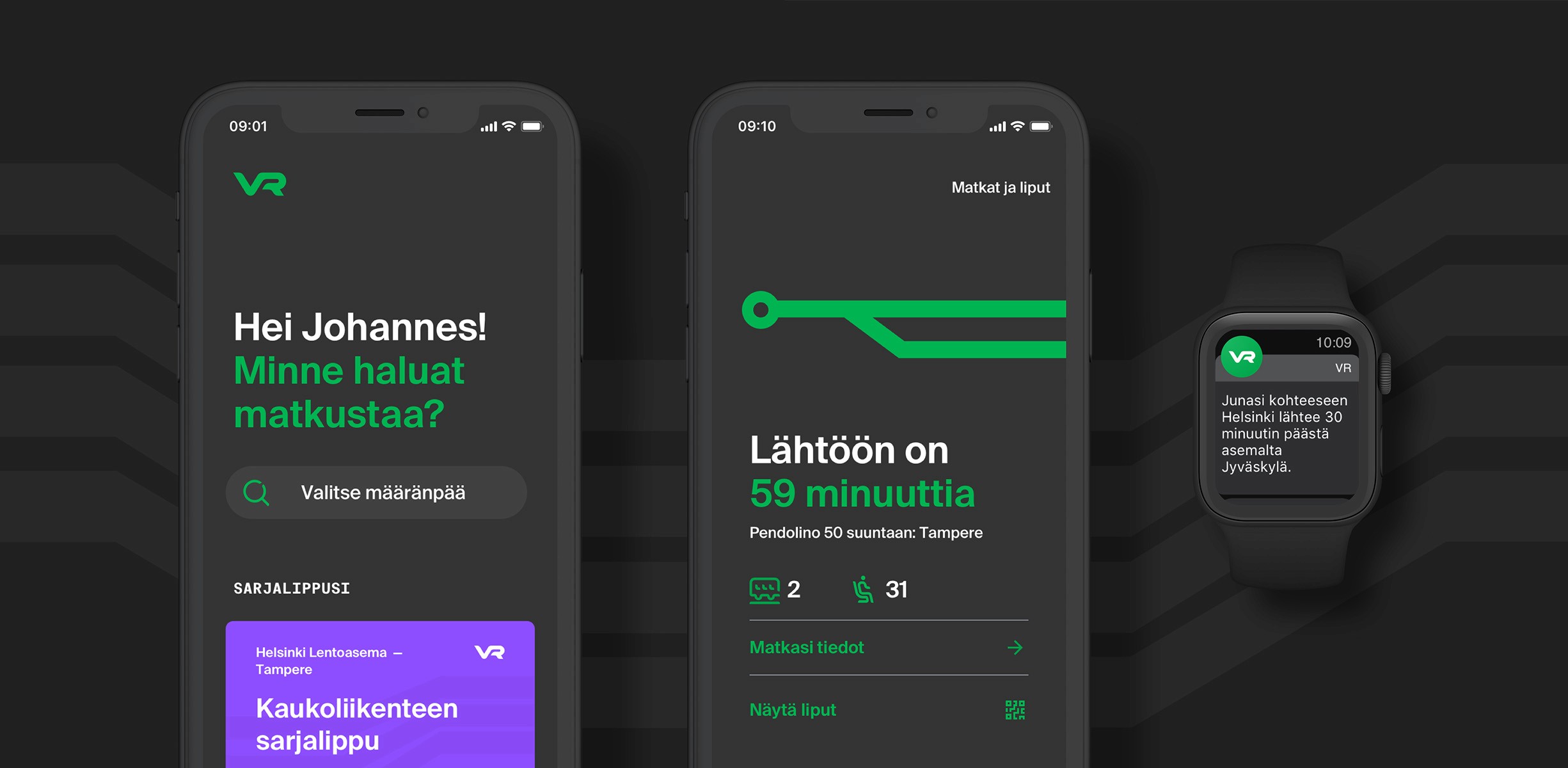
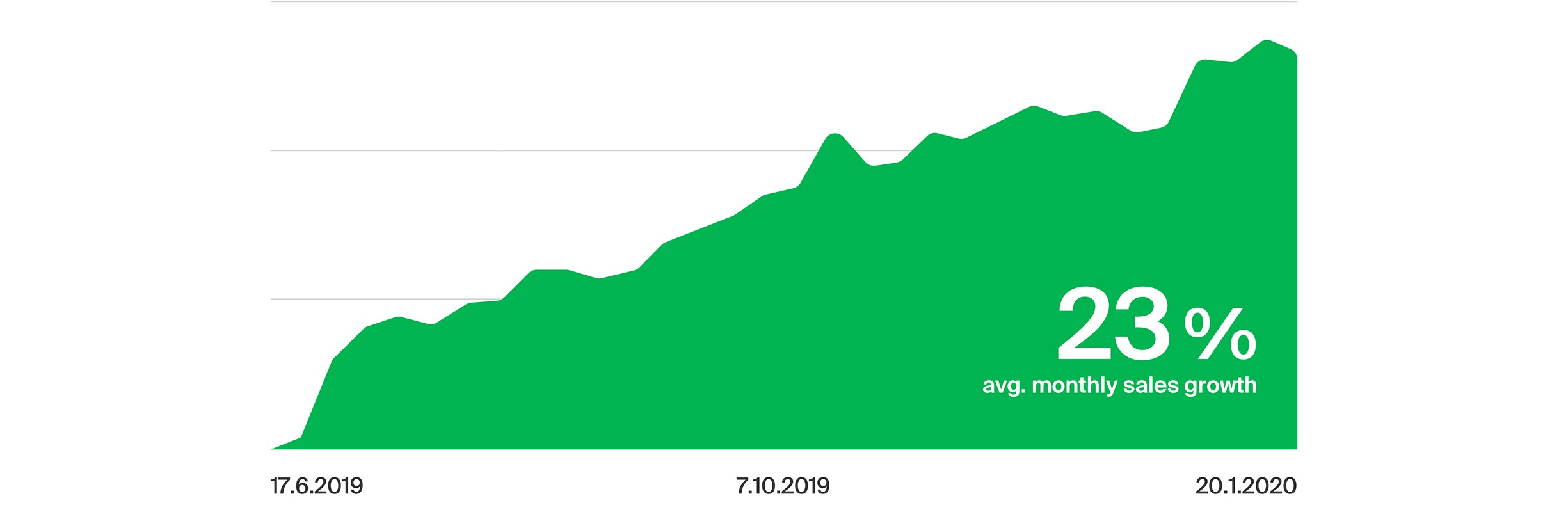
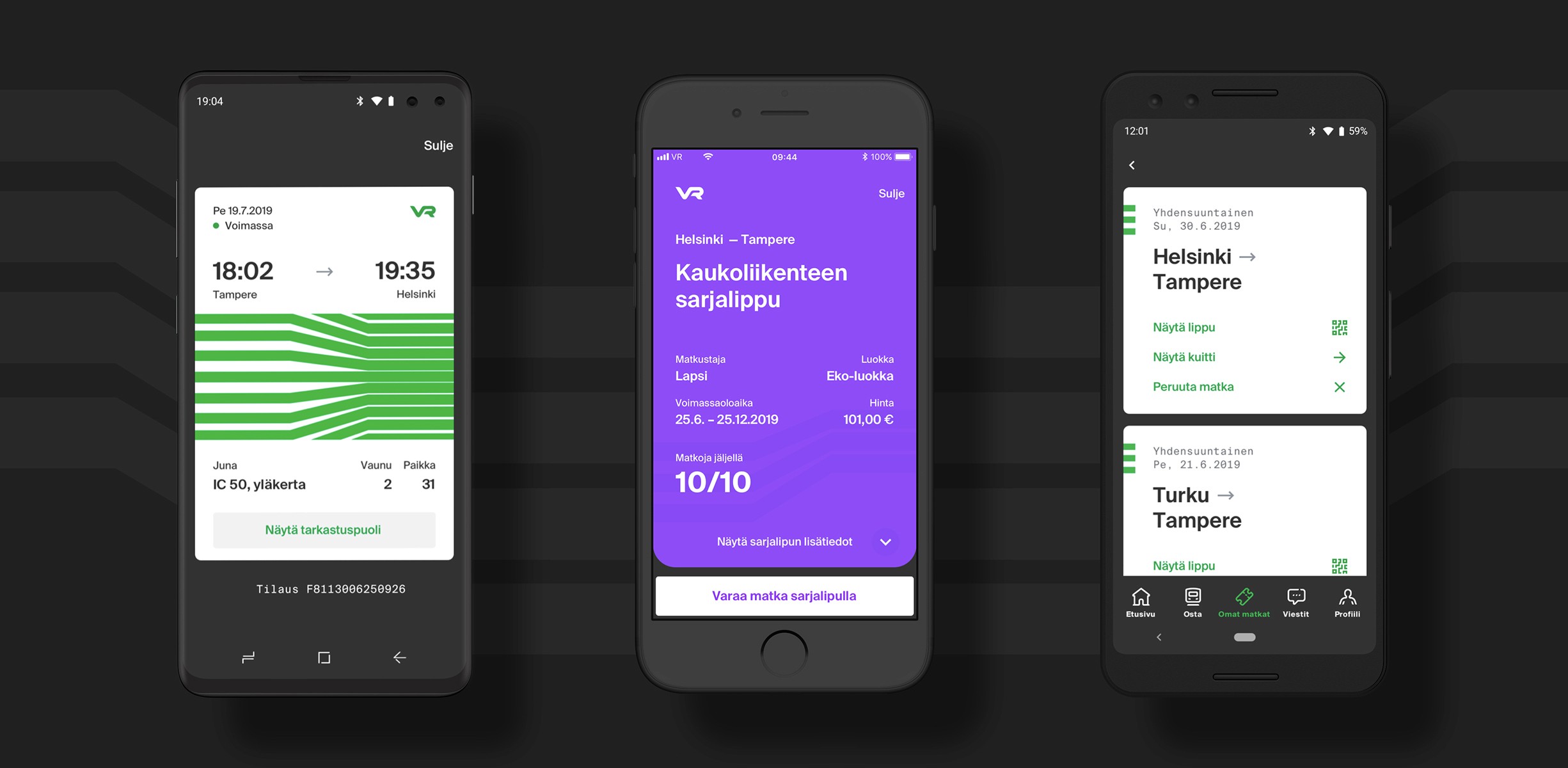
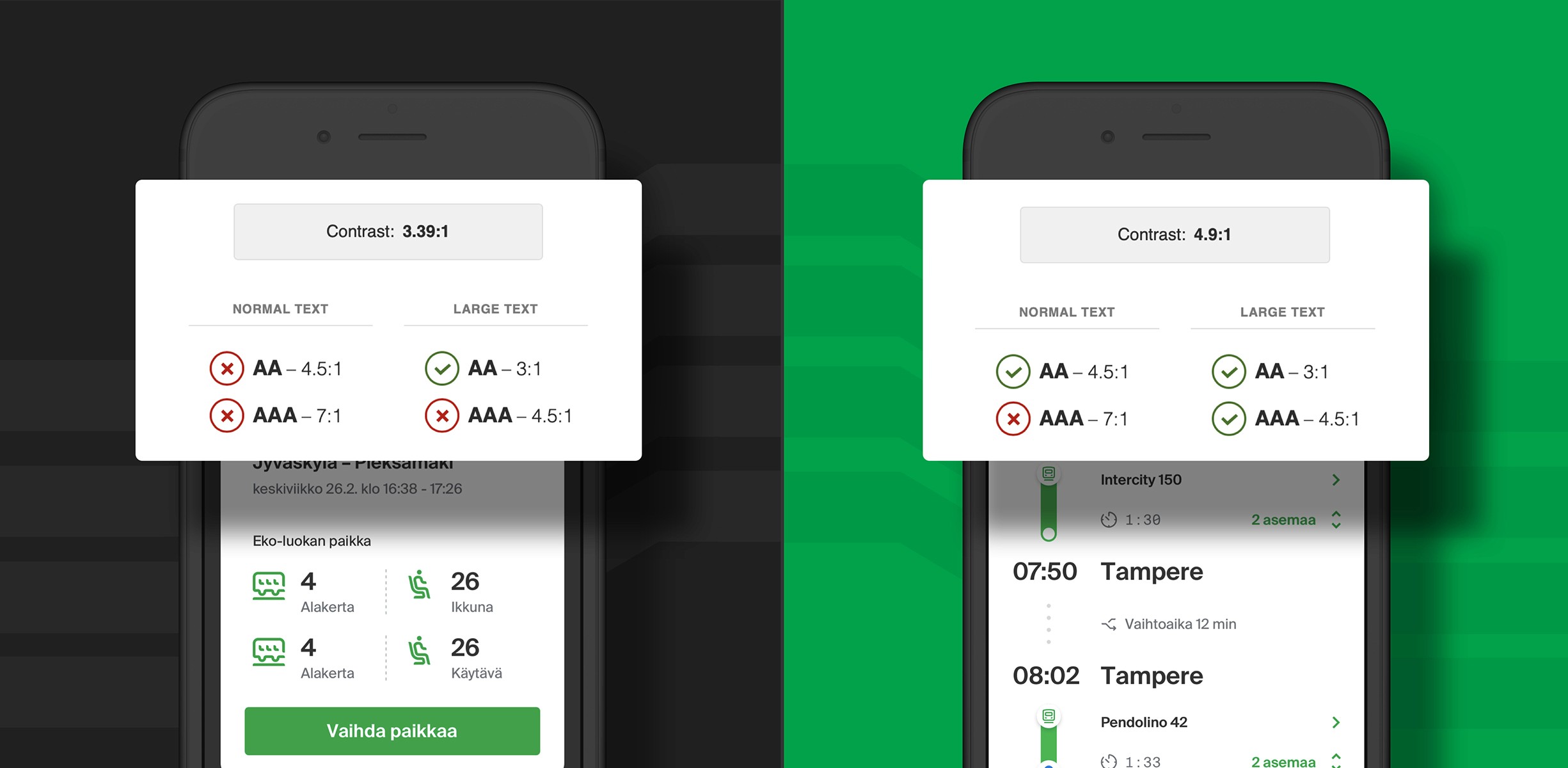
In the three months after launch, VR Matkalla went from zero to 100,000 active users. In-app single ticket sales grew by 385% compared to the previous year. All of this without any paid marketing. The product did the work. By the time of writing, the app had over 235,000 registered users, 5,000 tickets sold daily, and a 40% monthly activity rate. It runs in Finnish, Swedish, and English, and is available on Apple, Google, and Huawei stores. Accessibility was a core design principle, not a checkbox. We collaborated with Annanpura to ensure the app worked for every user, including those with disabilities. The visual design passes WCAG 2.0 AA standards for text and colour contrast. Screen reader support was in active development. The target was a fully accessible app — and a journey that worked for every passenger, from purchase to platform.
"It is exceptionally easy for me to read this text on green, though most often it's very hard for me. It's great my disabilities have been considered in the design." — A red-green colour blind customer, responding to a prototype
Next projects.
(2016-25©)